In the ever-evolving landscape of fashion, few items have sparked as much curiosity and conversation as the ala pantyhouse. This isn't just another piece of lingerie; it's a statement, a fusion of practicality and allure that has quietly carved out a niche in wardrobes around the globe. But what exactly is it, and why is it suddenly everywhere?
Let's start with the basics. The term "ala pantyhouse" refers to a specific style of hosiery that combines the coverage of traditional pantyhose with the design elements of a panty. Think of it as a hybrid—a seamless, often high-waisted garment that offers both support and a sleek silhouette. Unlike standard tights, which can sometimes feel restrictive or unflattering, the ala pantyhouse is engineered to hug the body in all the right places, providing a smooth foundation under dresses, skirts, or even shorts.
Its rise in popularity isn't accidental. Over the past few years, there's been a noticeable shift in how people approach intimate apparel. Comfort is no longer a compromise; it's a prerequisite. The ala pantyhouse answers that call. Made from blends of nylon, spandex, and sometimes cotton, these garments prioritize breathability and stretch without sacrificing durability. For many, it's the perfect middle ground between shapewear and everyday hosiery.
But the appeal goes beyond fabric. The design philosophy behind the ala pantyhouse is rooted in inclusivity. Brands are increasingly offering extended sizing, from petite to plus, and a range of skin tones that reflect real diversity. This isn't a one-size-fits-all product. It's a response to a market that has long demanded more options—and more respect for different body types.
Fashion historians might draw parallels to the control-top pantyhose of the 1980s, but the ala pantyhouse is a different beast. Where older versions focused on compression and restriction, modern iterations emphasize shaping through strategic paneling and seamless construction. The result? A garment that lifts and smooths without digging into the skin or leaving visible lines under clothing.
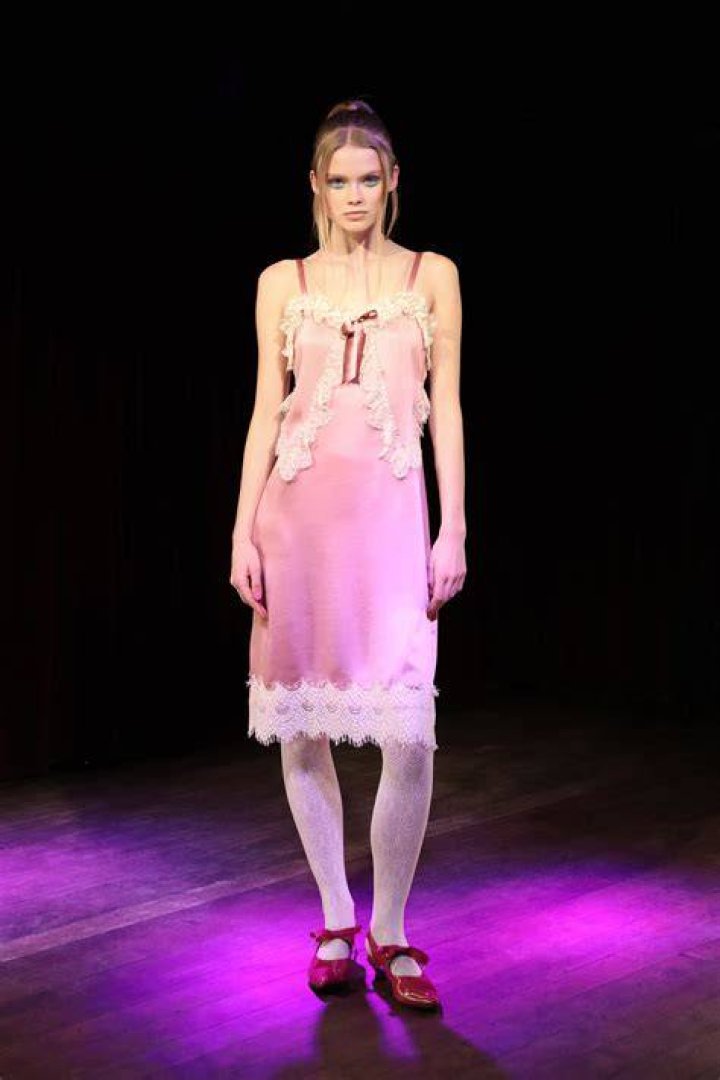
Social media has played a massive role in its ascent. On platforms like Instagram and TikTok, influencers and everyday users alike have showcased how the ala pantyhouse can be styled. Pair it with an oversized blazer for a casual office look. Wear it under a slip dress for a night out. The versatility is staggering. Hashtags like #AlaPantyhouse and #PantyhouseStyle have amassed millions of views, turning what was once a niche product into a viral sensation.
Retailers have taken notice. Major department stores and online boutiques now dedicate entire sections to this category. The price point varies widely—from budget-friendly options under $20 to luxury versions that can cost upwards of $100. The difference often comes down to fabric quality, brand reputation, and design details like lace trims or reinforced seams.
One of the most compelling aspects of the ala pantyhouse is its psychological impact. Wearing it can feel like a secret weapon. It's not just about how it looks on the outside, but how it makes the wearer feel on the inside. There's a confidence that comes from knowing your outfit has a solid foundation—that everything is held in place, smooth, and secure. It's a small luxury that can transform an entire day.
Of course, no trend is without its critics. Some argue that the ala pantyhouse perpetuates unrealistic beauty standards, encouraging women to conform to a narrow ideal of smoothness and shape. Others point out that the garment can be uncomfortable in hot weather or during long hours of wear. These are valid concerns, and they highlight the importance of choice. No single piece of clothing is right for everyone, and the ala pantyhouse is no exception.
But the data tells a different story. According to market research, the global hosiery market is projected to grow steadily over the next five years, with the ala pantyhouse segment outpacing traditional tights and stockings. Consumer surveys consistently cite comfort, fit, and versatility as the top reasons for purchase. In other words, people aren't buying into a trend; they're buying a solution to a practical problem.
Let's talk about care and maintenance. Unlike regular pantyhose, which can be notoriously delicate, many ala pantyhouse styles are designed for durability. Machine washing in a lingerie bag and air drying can extend their lifespan significantly. Some high-end versions even feature anti-run technology, which prevents those dreaded ladders that can ruin a pair in seconds. It's a small but meaningful innovation that speaks to the product's evolution.
From a styling perspective, the ala pantyhouse opens up new possibilities. Fashion editors have noted its ability to create a clean, uninterrupted line under sheer fabrics. It's also a favorite among brides, who appreciate the combination of support and invisibility under white gowns. For everyday wear, it pairs beautifully with ankle boots, loafers, or even sneakers for a sporty-chic vibe.
The environmental impact is another angle worth exploring. As consumers become more conscious of sustainability, brands are responding. Some ala pantyhouse manufacturers now use recycled materials, such as regenerated nylon from fishing nets and fabric scraps. Others offer take-back programs, where old hosiery can be returned and repurposed. It's a small step, but in an industry notorious for waste, every effort counts.
Celebrity endorsements have also fueled the fire. A-list stars have been spotted wearing ala pantyhouse under red carpet gowns, and fashion week runways have featured them as standalone pieces, paired with crop tops and blazers. This high-fashion validation has trickled down to the mass market, making the garment feel both aspirational and accessible.
But perhaps the most interesting development is the way the ala pantyhouse has blurred the lines between lingerie and outerwear. In some circles, it's no longer just a hidden layer. It's a visible part of the outfit, worn with confidence. This trend, sometimes called "lingerie as fashion," has been gaining traction for years, and the ala pantyhouse fits perfectly into that narrative.
For those new to the category, choosing the right ala pantyhouse can feel overwhelming. Start by considering the occasion. For daily wear, look for a mid-rise option with a cotton gusset for breathability. For special events, a high-waisted, shaping style might be more appropriate. Pay attention to the denier—a measure of thickness. Lower denier (around 15-20) offers sheer coverage, while higher denier (40-60) provides more opacity and support.
Fit is everything. Most brands provide detailed size charts, but it's worth noting that sizing can vary significantly between manufacturers. When in doubt, size up. A too-tight ala pantyhouse can be uncomfortable and may roll down at the waist. A properly fitted one should feel like a second skin—supportive but not constricting.
The future of the ala pantyhouse looks bright. Innovations in fabric technology promise even greater comfort and durability. We're already seeing the emergence of moisture-wicking versions for activewear, and temperature-regulating blends for year-round wear. The line between hosiery and shapewear continues to blur, and the ala pantyhouse is at the forefront of that convergence.
In many ways, this garment reflects broader cultural shifts. We're moving away from rigid, uncomfortable fashion toward pieces that prioritize well-being. The ala pantyhouse is a symbol of that change—a small but significant reminder that style and comfort can coexist. It's not just about looking good; it's about feeling good, too.
So, whether you're a longtime fan or a curious newcomer, there's never been a better time to explore the world of ala pantyhouse. It's more than a trend. It's a revolution in how we think about what we wear underneath it all. And that, perhaps, is its greatest appeal.